Best Seasons for Outdoor Blind Installation
Outdoor blind installations are typically most effective during specific times of the year when weather conditions are favorable. Proper timing ensures optimal installation quality and longevity of the blinds. Understanding seasonal patterns and climate factors can help determine the ideal window for installation projects.
Spring and early autumn often provide mild weather with minimal rain, making them ideal for outdoor blind installation.
Avoid periods of heavy rain, high humidity, or extreme temperatures to prevent installation delays and ensure material performance.
Scheduling installations during favorable weather allows for precise measurements and secure mounting, reducing the risk of future issues.
Extreme cold can affect material flexibility, while high heat can cause expansion; moderate temperatures are preferred for installation.
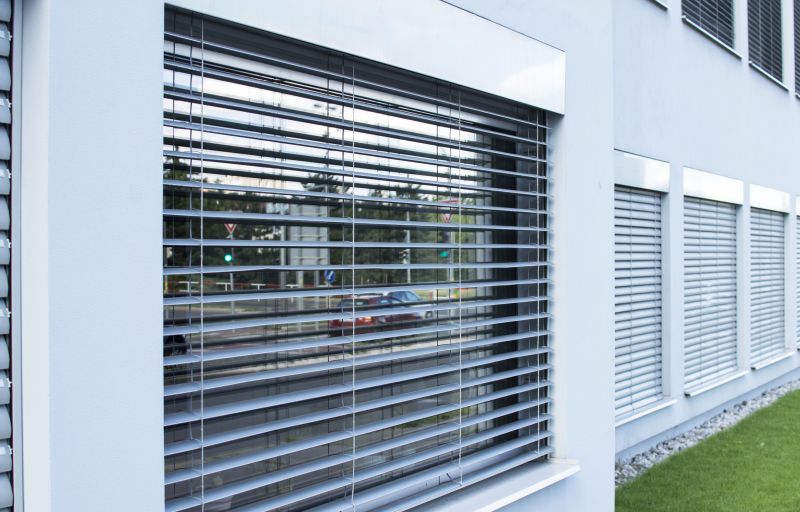
Spring offers mild weather ideal for outdoor blind setup, ensuring proper adhesion and fitting.
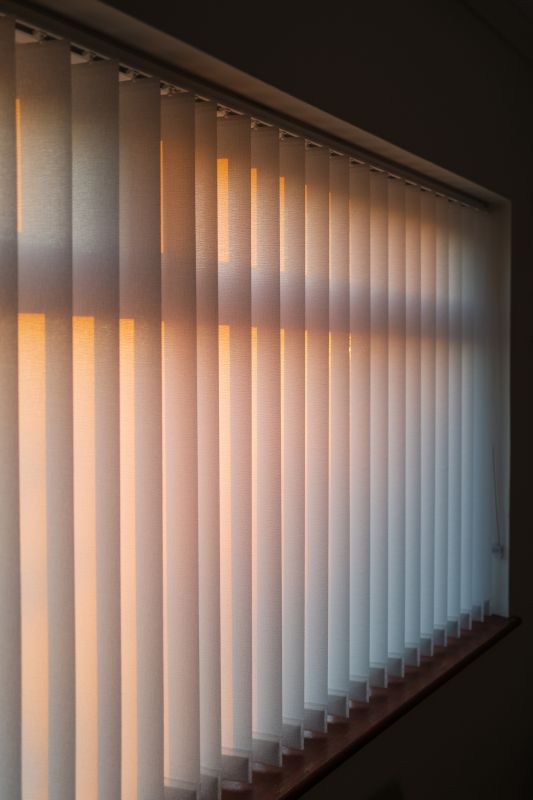
Summer provides long daylight hours but requires careful planning to avoid heat-related material issues.
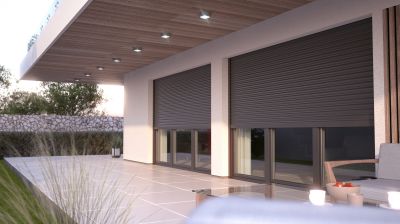
Autumn's cooler temperatures and lower humidity levels support effective installation and durability.
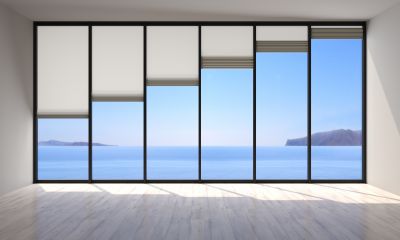
Ways to make Outdoor Blind Installations work in tight or awkward layouts.
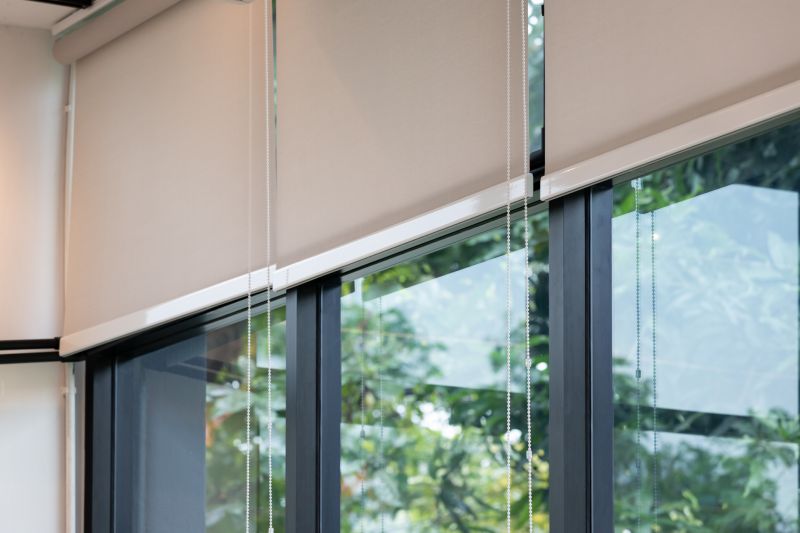
Popular materials for Outdoor Blind Installations and why they hold up over time.
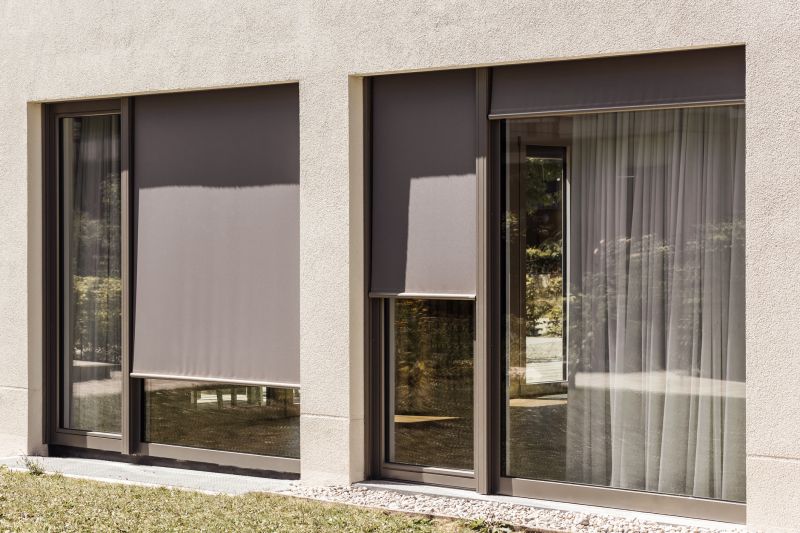
Simple add-ons that improve Outdoor Blind Installations without blowing the budget.
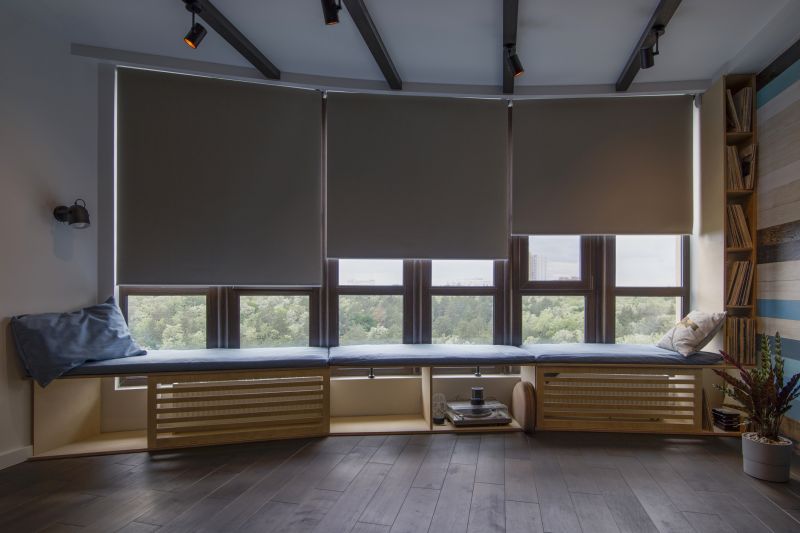
High-end options that actually feel worth it for Outdoor Blind Installations.
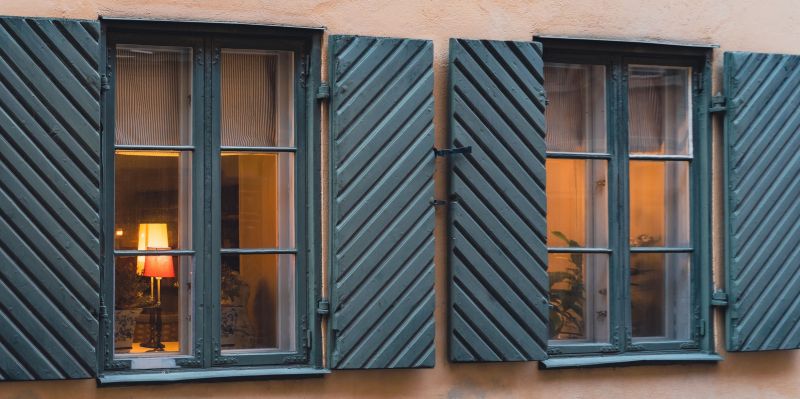
Finishes and colors that play nicely with Outdoor Blind Installations.
Outdoor blind installations involve attaching protective coverings to exterior spaces such as patios, verandas, and windows. These installations enhance privacy, control sunlight, and improve comfort in outdoor areas. Proper timing is crucial to ensure the durability of the blinds and the quality of the installation process. Weather conditions directly influence installation success, with mild and dry periods reducing risks of delays or material damage.
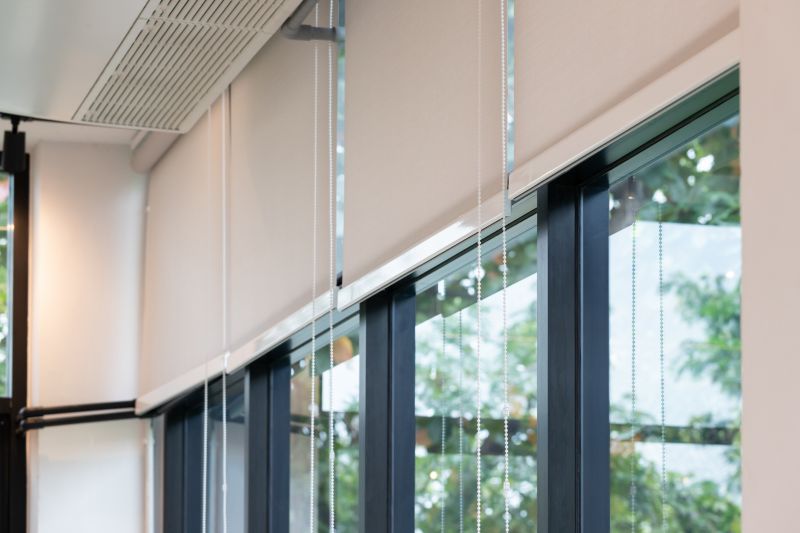
A well-installed outdoor blind provides shade and privacy during peak sunlight hours.
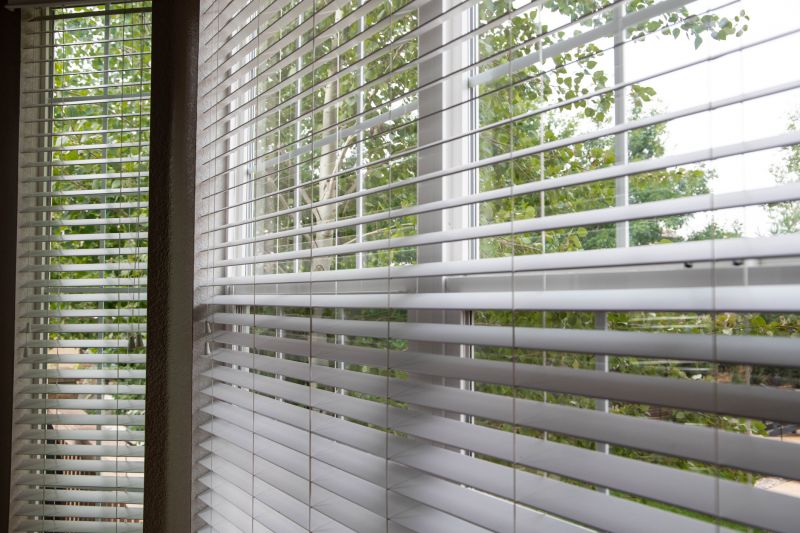
Tools and materials prepared for efficient outdoor blind setup in favorable weather.

A completed outdoor blind installation demonstrating quality craftsmanship.
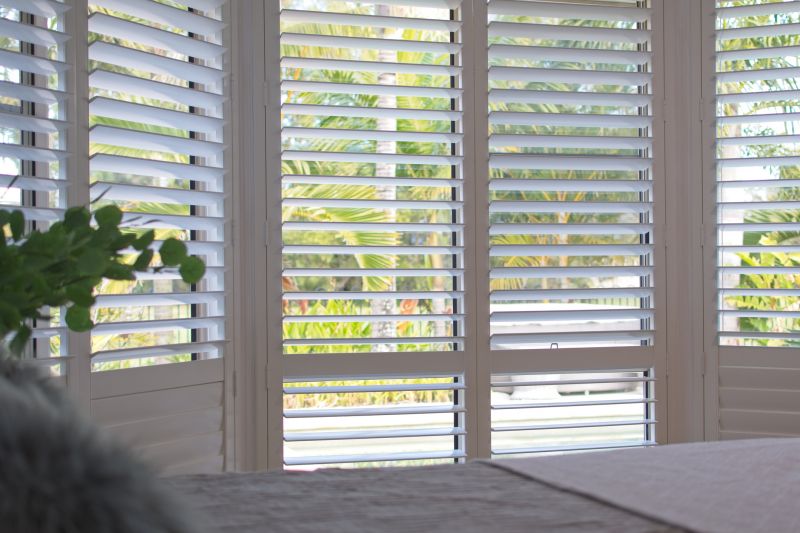
Enhanced outdoor area with protective blinds that withstand various weather conditions.
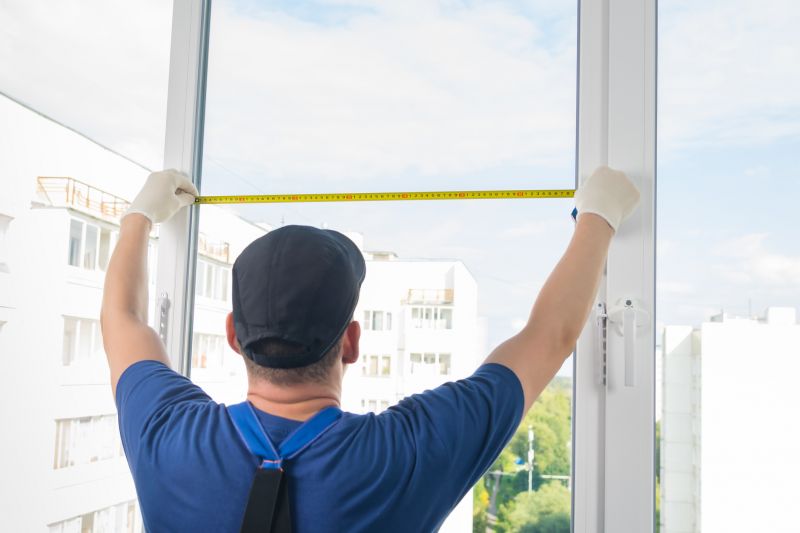
Little measurements that prevent headaches on Outdoor Blind Installations day.
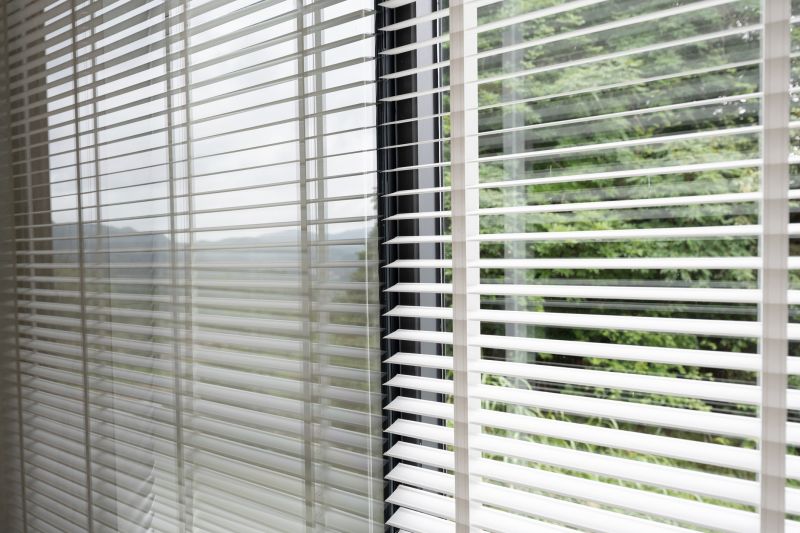
A 60-second routine that keeps Outdoor Blind Installations looking new.
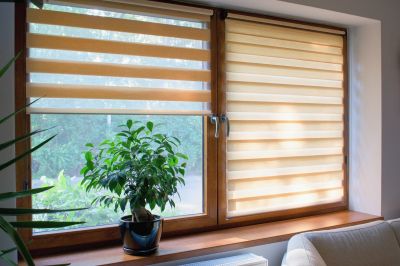
A frequent mistake in Outdoor Blind Installations and how to dodge it.
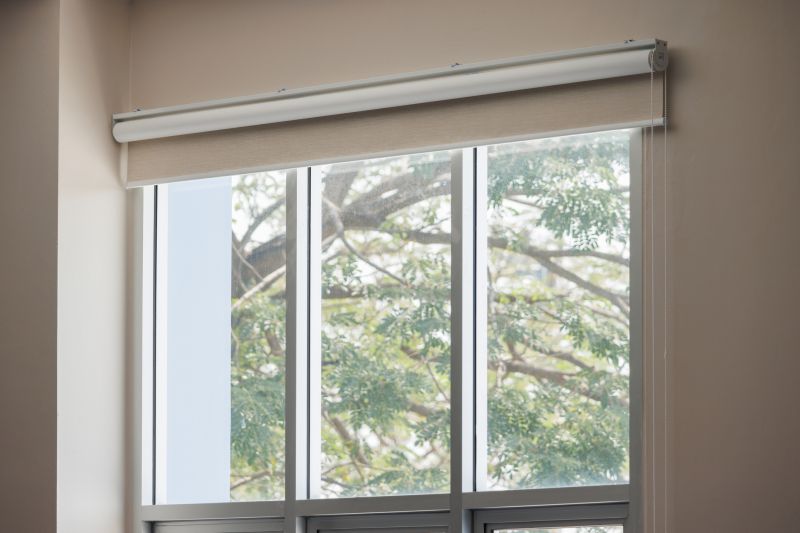
Small tweaks to make Outdoor Blind Installations safer and easier to use.
| Season | Advantages |
|---|---|
| Spring | Mild weather, moderate humidity, optimal for installation. |
| Summer | Longer daylight hours, but requires planning for heat. |
| Autumn | Cooler temperatures, lower humidity, good for durability. |
| Winter | Not recommended due to cold, rain, and potential for delays. |
Interested in outdoor blind installations? Filling out the contact form can provide tailored advice and scheduling options to suit specific needs and preferences.